Explore Types of Dog Treats
Dog treats come in a range of textures, sizes, and purposes, from crunchy biscuits and soft chews to training rewards and long-lasting dental chews. Small, low-calorie pieces are convenient for frequent reinforcement during training, while larger biscuits can suit occasional rewards for adult dogs. Dental chews are designed for chewing and may help reduce plaque through mechanical action, but they do not replace regular dental care. Freeze-dried and dehydrated treats offer concentrated meat or fish flavors, while soft bites can be easier for puppies or senior dogs to chew. Ingredient lists and feeding directions vary by product, so compare them with your dog's needs. Ubuy can help shoppers discover international dog treat products across these formats and uses.
- Training bites for frequent rewards
- Biscuits, soft chews, and dental chews
- Freeze-dried and dehydrated options
Ingredients, Nutrition, and Dietary Needs
Check the ingredient list and guaranteed analysis when comparing dog treats. Named animal proteins, such as chicken, beef, or salmon, can help identify the main flavor, while grains, vegetables, and other ingredients contribute different textures and nutritional profiles. Some treats are formulated with limited ingredients or without particular common ingredients, but suitability depends on the individual dog and should not be assumed from a front-of-pack claim alone. Treats add calories, so consider their energy content alongside your dog's regular food and daily activity. Many feeding guidelines suggest keeping treats to a modest share of daily calories; consult your veterinarian for advice tailored to your pet. For dogs with allergies, medical conditions, or prescribed diets, check with a veterinary professional before introducing new snacks.
- Review ingredients and calorie information
- Consider allergies and dietary restrictions
- Ask a veterinarian about special diets
Training Rewards and Everyday Uses
Treats can support positive reinforcement by making it easier to reward a behavior promptly. For walks, recall practice, or short training sessions, choose small pieces that are easy to carry and quick for your dog to eat; breaking larger treats into smaller portions can also help manage calories. Use a reward your dog finds appealing, and account for treat intake when serving meals. At home, biscuits and chew treats can provide a different kind of enrichment, but dogs should be supervised while chewing. Match the product's size and firmness to your dog, and remove a chew if it becomes small enough to swallow whole. Keep training treats accessible in a pouch or container, and introduce unfamiliar flavors gradually to see how your dog responds.
- Use small bites for training
- Supervise dogs with chew treats
- Adjust portions to daily intake
Size, Texture, and Life-Stage Considerations
A suitable treat should be manageable for your dog to chew and swallow. Small breeds may find oversized biscuits awkward, while larger dogs can consume tiny pieces quickly; select a size appropriate to the intended use and always supervise feeding. Puppies need treats suited to their age and developing teeth, while senior dogs may prefer softer textures if chewing is difficult. However, age labels are general guidance rather than a substitute for checking ingredients, feeding directions, and your dog's health needs. Consider dental condition, chewing habits, and any tendency to gulp food. For multi-dog households, keep treats separated when needed and offer each dog a portion that fits its size and diet. If a texture or ingredient is unfamiliar, start with a small amount and monitor your pet.
- Match treat size to the dog
- Consider age and chewing ability
- Introduce new options gradually
Storage, Safety, and Product Details
Preserve freshness by following the package's storage instructions, sealing bags or tubs after use, and keeping treats in a clean, dry place. Check the best-before date and inspect products before serving; discard treats that appear spoiled, damaged, or otherwise changed. Packaging can also clarify serving amounts, intended life stage, ingredient details, and whether a treat is meant for occasional use or a specific purpose. For imported products, read the available label information carefully and confirm that the ingredients and feeding guidance suit your dog. Ubuy offers a way to discover dog treats from international product ranges, so comparing package details can help you assess options before purchasing. Keep treats out of reach between sessions, and provide fresh drinking water when offering dry snacks or chews.
- Follow package storage instructions
- Check dates and product condition
- Review labels before purchasing
Select the Right dog treats
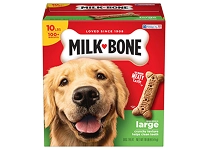
Start with the reason you want a treat: training, occasional rewarding, chewing, or adding variety. Then compare ingredients, calories, texture, portion guidance, and suitability for your dog's size and life stage. A product that works well as a quick training reward may not be appropriate as a long-lasting chew, and a dental-style snack is not a replacement for brushing or veterinary dental care. Consider your dog's preferences, but introduce new products in small amounts and watch for any unwanted reaction. If your dog follows a prescribed diet or has a health concern, ask a veterinarian before changing its snacks. Brands such as Greenies, Milk-Bone, Zuke's, and Blue Buffalo offer examples of different treat styles; compare individual product labels rather than relying on brand name alone.
- Choose treats for a clear purpose
- Compare labels and feeding directions
- Prioritize your dog's individual needs